
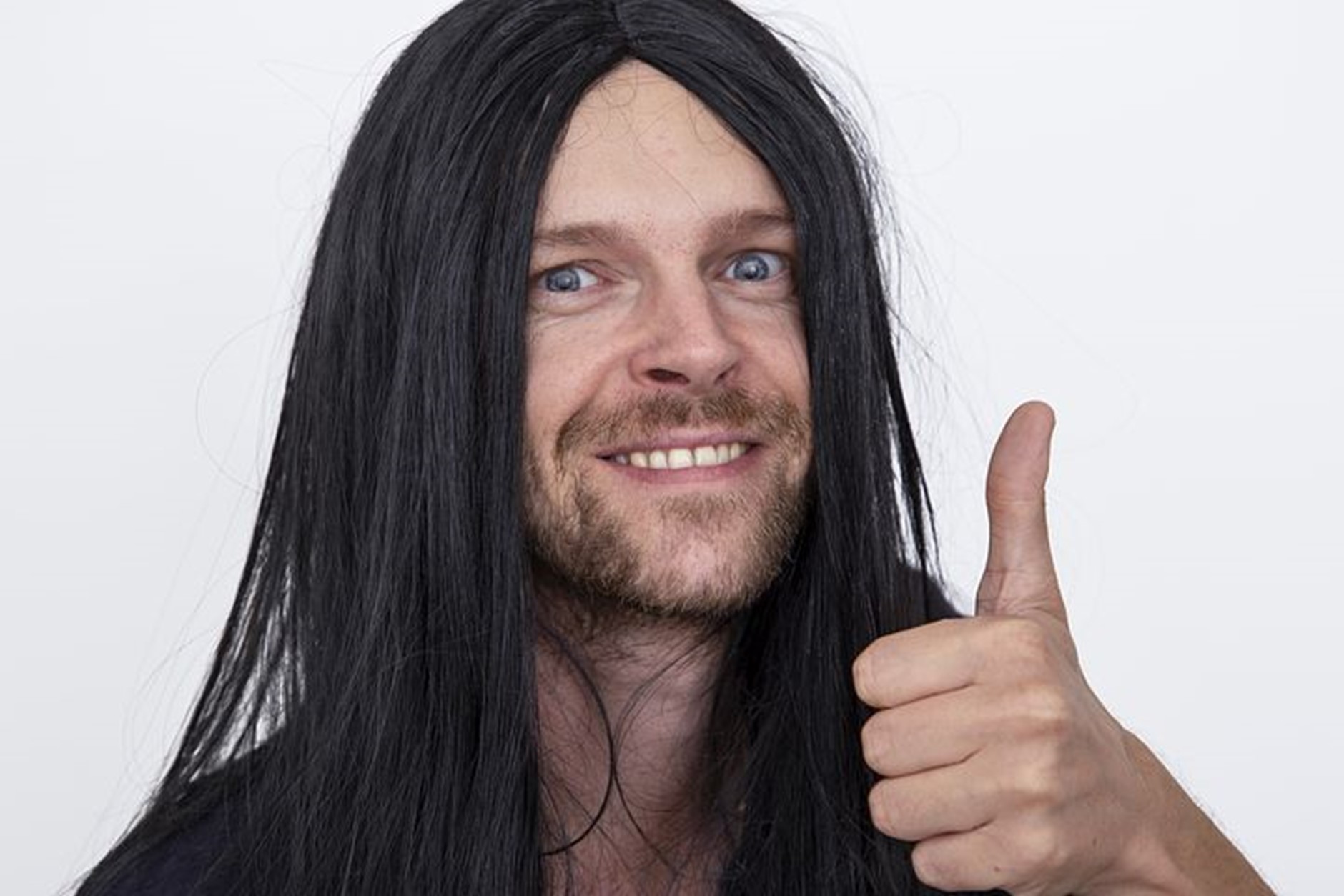
“And what were you planning to do with your hair for the interview?”
At some stage when I am prepping clients for an interview, I often need to raise the issue of their appearance. This is never easy. The choices we make each day about how we present ourselves are totally valid in our own eyes and it can be quite confronting to hear someone suggest that we make a change.
Yet, a critical part of the impression you make on an employer is based on your physical appearance.
You might be the most qualified person for the job, but if your clothing doesn’t match the organisation’s dress code, a survey by Inc Australia showed that 71% of employers won’t hire you. And while this may not be fair, it’s the reality for many job hunters.
Even worse, an employer might reason that the person who doesn’t care about her/his appearance won’t care about the job. You can argue it’s shallow and unworthy, but most of us do judge people, at least initially, by how they present themselves.
When it comes to our image, there’s no right or wrong, just perception and consequences. If you are prepared to buck the system, I’ll applaud you all the way, but it can be a dangerous strategy.
Case #1
Some years ago, I interviewed someone for a role in our company. He turned up in a cardigan, looking very bland and meek. I was able to look past his clothes but unfortunately for him, my business partner was not, and he refused to hire him.
Case #2
One of my clients was wanting to move up from senior manager level to Executive level. She was quite shocked when I recommended that she leave off her bohemian style of dressing and start wearing more formal clothes.
Interview Appearance: does your ‘look’ work for you or against you?
Dressing for an interview doesn’t have to be complicated or expensive. You probably already have what you need in your wardrobe — it’s just a matter of making the right choices.
Of course, the key question is, how do you know if your public persona will help you win that job?
Find someone who is experienced in this area and who is brave enough to tell you as it is, in a supportive non-confrontational way. This person needs to drill down e.g. what are the norms of the industry that you operate in and/or what level of seniority are you targeting.
Sometimes, I talk about the basics. If I am working with a male senior executive who has a very understated presence, for example, I might suggest he gets his hair cut, buys a modern suit, as well as a shirt that is ‘sharp’.
Sometimes, my client and I get down to micro issues. I recently advised a young female lawyer applying for a role to a Tier 1 practice to wear her hair in a French roll rather than a ponytail. (She was very slight and delicate-looking and I wanted her to convey a bit more gravitas).
A few other examples show how fundamental some of the issues can be:
- My query to a technical specialist about the difference between his LinkedIn photo and his current appearance (an unkempt bearded look) which prompted him to decide to clean it up a bit.
- My advice to an older Executive to wear a suit rather than his standard attire of a short-sleeved business shirt tucked into high-waisted trousers.
Know your audience: dress for success
Unless you’re applying for a job in an industry where you’re expected to show high levels of flair such as the fashion industry, aim to fit it so they don’t even notice what you’re wearing. You want the employer to focus on your skills, not your clothes.
Your selection will vary based on your occupation, location and industry. A business suit for a construction job or overalls for an office job would not make sense. A tech start-up’s clothing expectations will be very different from those of a bank or law office.
Research the organisation’s dress code. Get a clear sense of the environment, culture and workplace attire expectations.
Then, consider whether to dress one step above what you would wear on the job. If the organisation’s leaders and employees typically dress in jeans and T-shirts, you might choose a pair of non-denim pants and a tucked-in shirt. Being a little overdressed demonstrates that you’re taking the interview seriously and are putting your best foot forward. If you’re underdressed, it could suggest to a potential employer that you didn’t care enough to make an effort and they could feel quite insulted.
Feelings: clothes really DO ‘maketh the man’
A study from California State, Northridge, and Columbia universities found that dressing up boosts cognition, improving abstract and creative thinking skills. In other words, wearing a power suit might just help you ace those tricky interview questions. So, choose clothing that boosts your confidence – so that you feel great and perform at your best.
Interview Appearance: before you leave home…grooming
Personal grooming is just as important as what you wear. You may select the right clothes, but neglecting personal hygiene can ruin the image you wish to present.
Review the following grooming checklist before meeting with an employer.
- Hair: Clean, trimmed and neatly combed or arranged
- Facial Hair: Freshly shaved or designer stubble; moustache or beard neatly trimmed
- Fingernails: Neat, clean and trimmed
- Teeth: Brushed and fresh breath (Beware of foods which may leave breath odour or of tobacco, alcohol and coffee odour)
- Body: Freshly bathed/showered, with deodorant applied
- Make-up: Sparingly applied and natural looking
- Perfumes/Colognes/After-Shave: Used sparingly or none at all. Your ‘scent’ should not linger after you leave the room
Interview Appearance: final checklist & tips
If you haven’t attended an interview for a long time or if you’re just starting out in the game, here is the ultimate list of practical suggestions:
- Iron your clothes.
- Check your interview outfit over thoroughly for dirt and stains, especially collars and cuffs.
- Shine your shoes. Some employers check the heels of your shoes as you leave the room, so check that they are in good condition.
- Make sure every item of clothing is clean, free of wrinkles or tears, and properly fitting.
- Check your bag or briefcase and ensure that it, too, is clean and presentable.
- Choose breathable fabrics that will keep you cool and dry. Check the weather – will you need a jacket and scarf, or should you avoid that wool suit if it’s going to be sweltering?
- Avoid interview outfits that are too revealing and keep heels at a sensible height.
- Keep jewellery and accessories understated and avoid anything too flashy or distracting (multiple bangles that jangle, for example).
The same applies for any candidates facing a video interview: dress properly as if you were having a face-to-face interview, with the same attention to detail – head to toe. Not only will it put you in the right mindset, it will also ensure you don’t get caught out if you have to get up from your seat. You don’t want to be the candidate caught in their pyjama bottoms!
Interview Appearance: what does your brand say?
Personal brand is one of the top buzz concepts around at the moment. The appearance you present to the external working world is a critical part of your persona, your personal brand.
What message are you currently sending? Will it help you or hinder you in your job search and your career?
It’s time to find out.